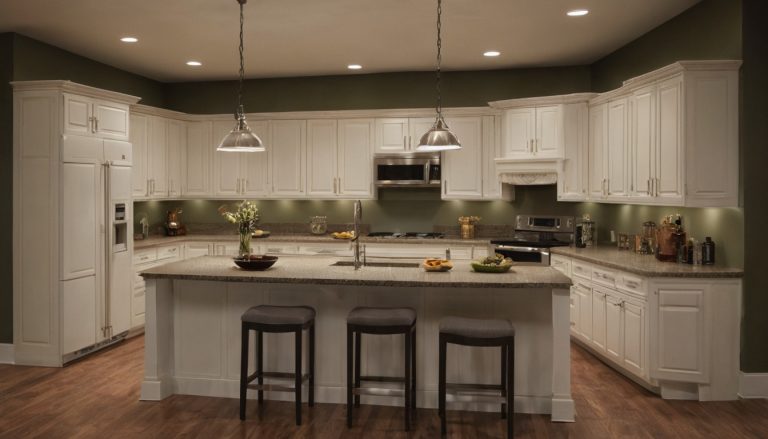
Dim-to-Warm or Tunable White? Choosing Controls for Kitchen Pendant Lighting
Which kitchen pendant lighting control strategy fits the project?
Homeowners, designers, and electricians should choose the control strategy before ordering kitchen pendant lighting because the fixture, driver, wiring, and wall control form one system. A mismatched specification can leave three island pendants starting at different levels, flickering, or dimming to visibly different colors.
| Strategy | Best project fit | Critical procurement check |
|---|---|---|
| Fixed CCT | Retrofits and budget-led projects | Confirm the exact driver and dimmer combination |
| Dim-to-warm | Residential kitchens needing warmer evening light | Confirm the color range and dimming curve |
| Tunable white | Multipurpose islands and integrated control systems | Confirm wiring, protocol, wall station, and commissioning |
Fixed-CCT kitchen pendant lighting is the low-complexity baseline
Fixed-CCT pendants retain one nominal color temperature as brightness changes. They suit kitchens where undercabinet or recessed fixtures provide most of the task light. For replaceable lamps, specify one lamp model; for integral LEDs, verify driver access and replacement-module availability.
Dim-to-warm kitchen pendants suit brightness-led daily routines
Dim-to-warm systems shift toward warmer light automatically as output falls. The user operates one dimmer, but every pendant must have a matching light engine and manufacturer-defined color curve.
Tunable-white kitchen pendants suit projects that need independent color control
Tunable white earns its added complexity when users need separate brightness and color settings, programmed scenes, or whole-home integration. After selecting the control system, coordinate kitchen island pendant spacing, height, glare, and task-light decisions.
Dim-to-warm and tunable-white kitchen pendant lighting solve different control problems
Dim-to-warm links color to output, while tunable white controls color temperature and brightness as separate variables. That distinction determines the driver topology, wall controls, conductor requirements, programming, and replacement strategy.
| Decision | Dim-to-warm | Tunable white |
|---|---|---|
| User action | Dim or brighten | Set brightness and color |
| Color behavior | Follows a fixed curve | Independent or scene-based |
| Control topology | Compatible dimmer and driver | Two-channel, digital, or proprietary control |
| Commissioning | Compatibility and low-end adjustment | Range, scenes, interfaces, and recovery behavior |
| Replacement exposure | Matched driver or light engine | Matched modules, driver, and protocol |
A dim-to-warm pendant follows a manufacturer-defined curve
Products do not share one warm endpoint or transition rate. Compare the published CCT range, minimum output, control type, connected-load limits, and curve across every pendant.
A tunable-white pendant needs a control method for two variables
The specification must explain how intensity and CCT commands reach the driver. Color evaluation also extends beyond a Kelvin label. The Illuminating Engineering Society’s TM-30-18 position describes a comprehensive method for evaluating light-source color rendition. Approve the exact driver, control, wiring diagram, and protocol before ordering.
The driver and dimmer must be selected before kitchen pendant lighting is ordered
A “dimmable” label does not establish smooth startup, synchronized output, quiet operation, or clean shutoff. Reliable kitchen pendant lighting requires a documented match among the luminaire, LED driver, dimmer, load, and control method.
Phase-cut dimming is practical only when the pendant driver is explicitly compatible
- Match the exact luminaire or driver model to the exact dimmer model on a current compatibility table.
- Confirm forward-phase or reverse-phase control, minimum load, fixture-count limits, inrush limits, neutral requirements, and low-end trim.
- Do not mix driver models on one control unless the manufacturer permits the combination.
Low-voltage and digital controls require planned wiring and accessible components
- Approve conductor counts and wiring diagrams for 0–10-volt, two-channel, or digital controls before rough-in.
- Place remote drivers where installation instructions permit access, and have the electrician follow locally adopted electrical requirements.
Wireless tunable-white controls still require a replacement and support plan
- Document dependencies on hubs, processors, apps, accounts, internet access, and firmware support.
- Confirm that basic wall controls work without a phone or cloud connection.
- Record power-loss behavior, saved settings, warranties, and replacement parts.
Low-end dimming, flicker, and color consistency determine kitchen pendant lighting quality
Judge kitchen pendant lighting with the proposed luminaire, driver, control, fixture count, and trim settings operating together. Nominal wattage, CCT, and a broad dimming claim cannot predict installed behavior.
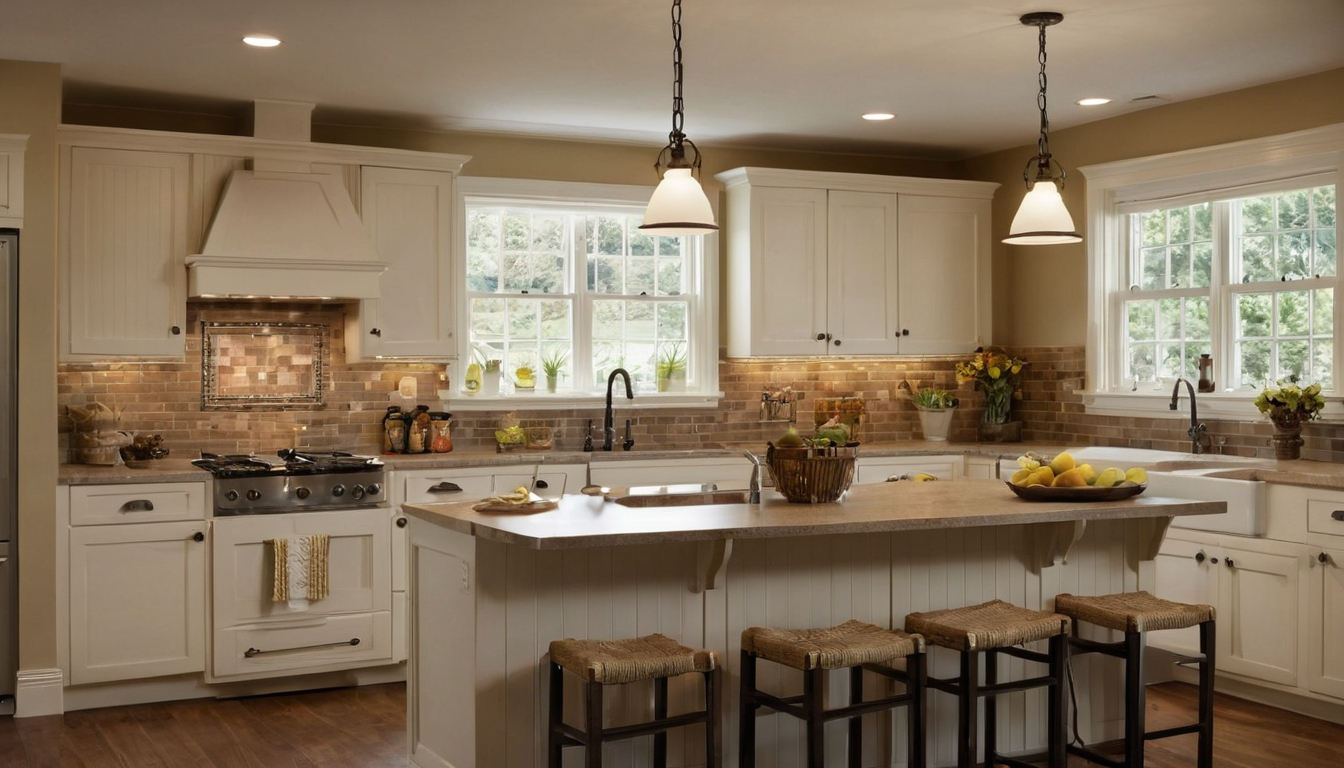
Low-end dimming, flicker, and color consistency determine kitchen pendant lighting quality shown with practical context cues.
A claimed one-percent dimming level does not guarantee a useful visual low end
A percentage may describe measured electrical output rather than perceived brightness or stability. Test startup, dropout, pop-on, shimmer, dead travel, and synchronization among pendants.
Flicker must be checked under the intended dimmer and camera conditions
Request flicker results at full output and several dimmed levels. A phone camera can reveal banding, but formal data should identify the metric, control model, frequency, and test conditions.
Color quality requires more than choosing 3000K or 4000K
Review CCT, Duv, CRI, R9, and TM-30 information where available. The Illuminating Engineering Society states that TM-30-18 Rf and CRI Ra both characterize average color fidelity, while the organization considers Rf the stronger measure.
Before purchase, require:
- Minimum-output data and stated test conditions
- Flicker data for the specified control
- Chromaticity tolerances across fixtures and tuning ranges
- A physical food-and-finish mockup
What color temperature works best for kitchen pendant lighting?
No single color temperature is best for every kitchen. Compare 3000K, 3500K, and 4000K against undercabinet lights, recessed fixtures, daylight, finishes, and adjacent rooms. Consistency among simultaneously visible sources usually matters more than an isolated Kelvin value.
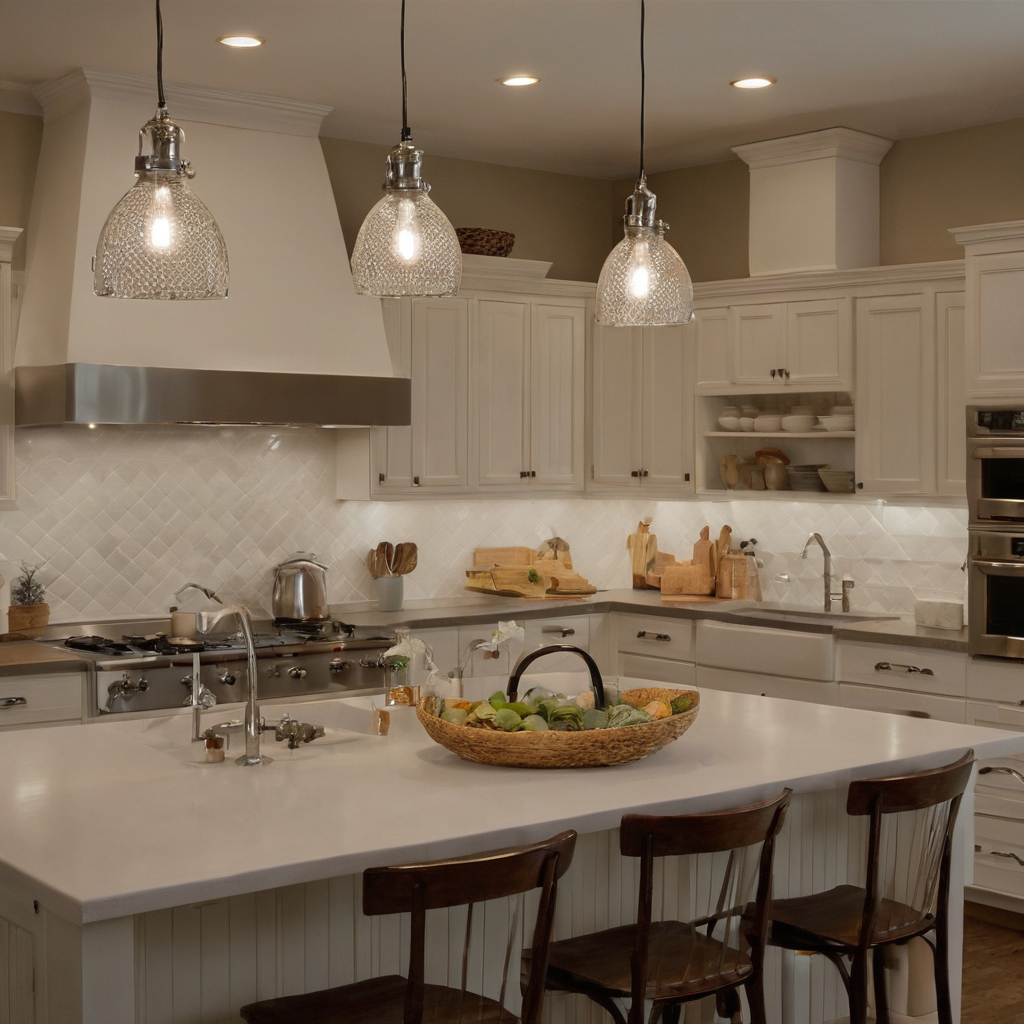
What color temperature works best for kitchen pendant lighting shown as an editorial planning reference.
Kitchen pendant lighting should coordinate with the room’s other visible sources
Specify nominal CCT and, where product data permits, Duv for each lighting layer. Close matching supports unified task lighting, while intentional contrast can distinguish warmer dining light from cooler preparation light.
A finish-and-food mockup is more reliable than Kelvin labels alone
Test one pendant with the actual wood, countertop, backsplash, paint, metal, and food samples during daylight and after dark. Check dim-to-warm products at several levels and record the approved settings.
Kitchen pendant lighting should be commissioned before project closeout
Commissioning converts compatible components into a usable system. Complete the process before the electrician, controls specialist, and supplier leave the project.
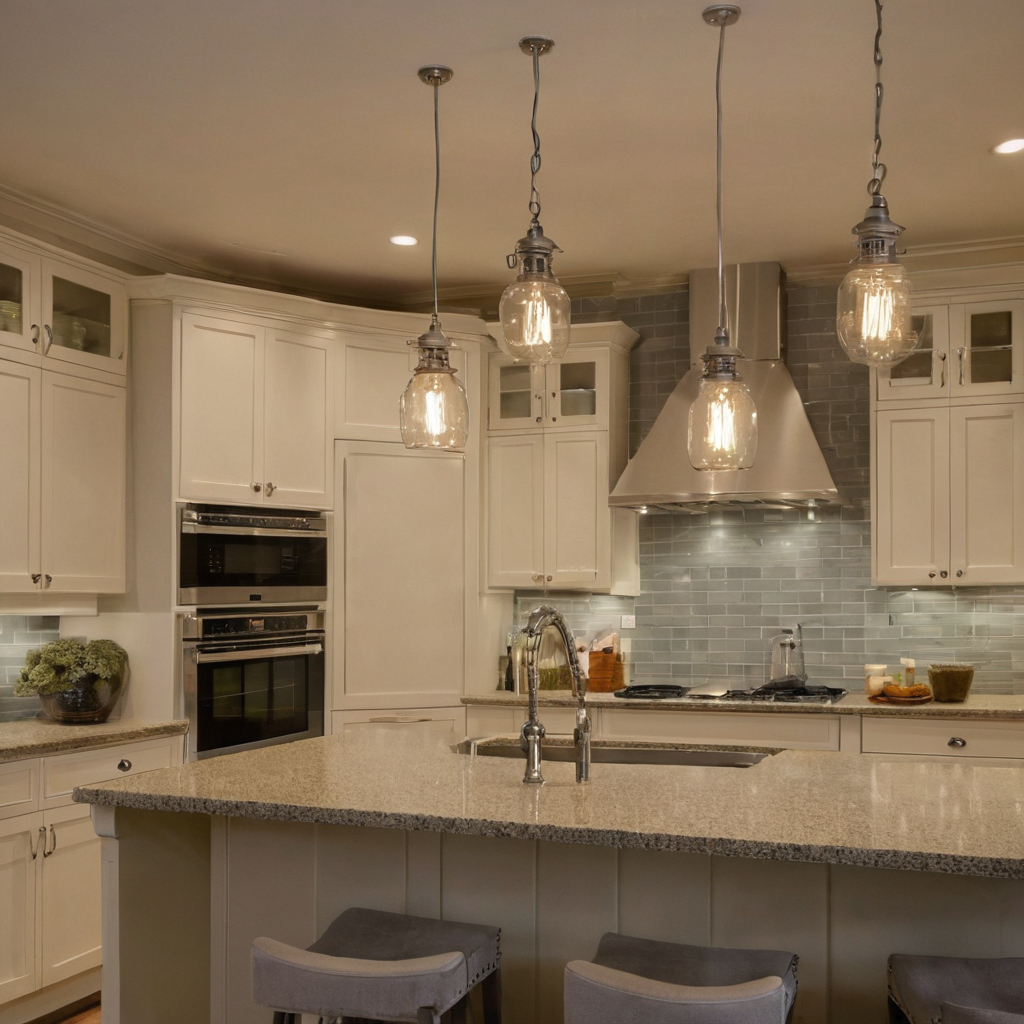
Kitchen pendant lighting should be commissioned before project closeout shown as an editorial planning reference.
Bench testing should occur before ceilings and decorative fixtures are complete
- Before purchase: Approve model numbers, wiring diagrams, driver locations, substitutions, and intended scenes.
- Before ceiling close: Test one pendant or driver with the final control and cable. Check startup, stable dimming, CCT transitions, noise, flicker, and power-loss recovery.
- After installation: Program controls, review nighttime output, set the low-end trim, and obtain homeowner approval.
Kitchen lighting scenes should use clear tasks rather than vague mood labels
Name scenes Preparation, Cleaning, Dining, and Late Night. Record fixture groups, button functions, defaults, overrides, app ownership, programming files, warranties, and spare parts.
Installed cost and replacement risk should decide whether tunable-white kitchen pendants are worthwhile
Tunable-white pendants are worthwhile only when adjustable color will receive regular use and the project can support added wiring, controls, programming, and replacement exposure. Compare complete installed systems rather than decorative fixture prices.
A complete kitchen pendant lighting quote includes more than the luminaires
Request comparable quotes using the same pendant count, circuit arrangement, ceiling access, and project conditions. Separate fixtures, drivers, dimmers, wall stations, gateways, control cable, boxes, labor, programming, commissioning, tax, repair work, and contingency. Record exclusions, lead times, deposits, restocking charges, and substitution rules.
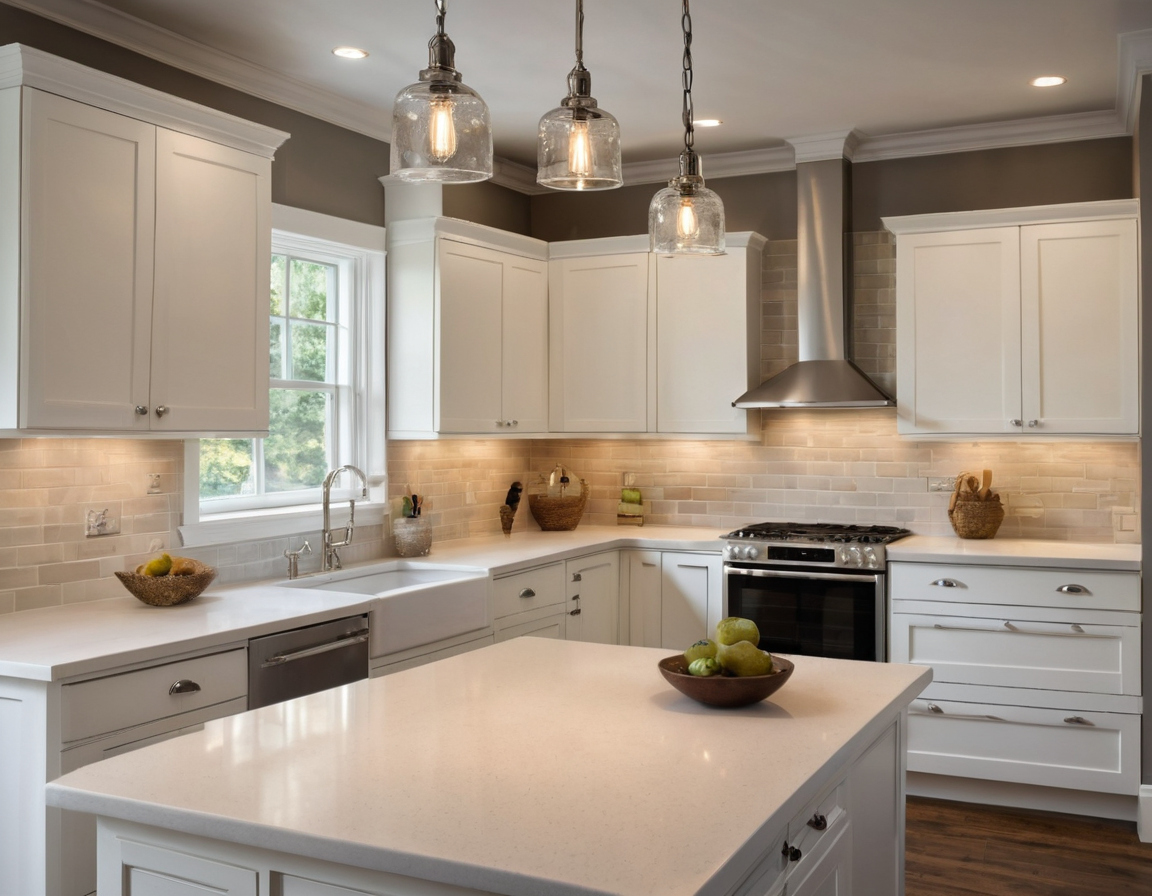
Installed cost and replacement risk should decide whether tunable-white kitchen pendants are worthwhile shown with practical context cues.
Serviceable drivers and documented settings reduce long-term kitchen lighting risk
Confirm driver access, replacement instructions, warranties, and the availability of matching modules, controls, and gateways. Integral LEDs, inaccessible drivers, proprietary apps, and discontinued components increase service risk. A custom system may warrant spare controls or modules.
Approve the complete control architecture before ordering the pendants. Choose fixed CCT for budget-led simplicity, dim-to-warm for uncomplicated residential ambience, and tunable white only when planned scenes, service access, and continuing controls support justify the cost.
Frequently asked questions
What is the practical difference between dim-to-warm and tunable-white kitchen pendant lighting?
Dim-to-warm automatically produces warmer light as brightness falls. Tunable white lets the user or control system adjust brightness and color temperature independently.